

Last updated: 1 October 2026
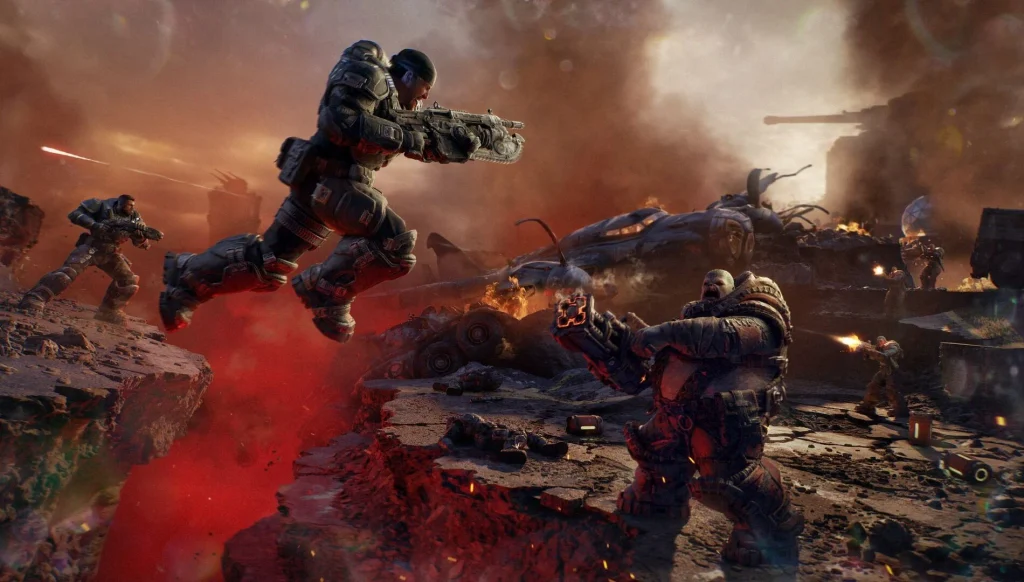
Gears of War: E-Day is bringing back Horde, but it is changing how the mode works. Called Horde Siege, the new PvE mode puts three four-player squads on the same battlefield for a total of 12 players. Instead of having one squad stay in one location and survive wave after wave, each squad gets its own mission and moves around a much larger battlefield. Squads can cross paths, help each other, complete optional objectives, and use resources left behind by other teams. Gears of War: E-Day Horde Siege is built around the city of Kalona, with larger maps, changing objectives, different mission types, and powerful enemies creating a more dynamic version of the classic Gears Horde experience.

Gears of War E-Day Horde Siege: Quick Overview
- Players: 12 players
- Squads: 3 squads of 4 players
- Mode: PvE co-op
- Maps: Large maps set across Kalona
- Classes: Assault, Marksman, Medic, and Breacher
- Mission Types: Blitz, Siege, and Horde
- Main Objective: Complete missions, survive the Locust, and extract
- Resources: Energy
- Difficulty: Infantry, Commander, and Allfather
- Main Enemies: Locust
- World Bosses: Yes
What Is Gears of War E-Day Horde Siege Mode?
Horde Siege is a new 12-player PvE mode in Gears of War: E-Day. The basic idea is still familiar to Gears fans. You and your teammates fight against the Locust, complete objectives, and try to survive long enough to finish the mission.
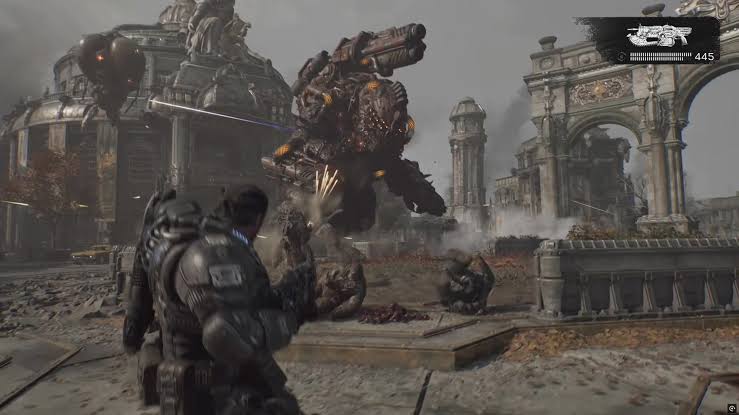
The big change is how the battlefield works. Instead of one four-player squad fighting in a single area, three squads operate on the same map. Each squad has its own mission, but the teams can run into each other, respond to events, and even help one another when things go wrong. This makes Horde Siege feel more like a large-scale battle than a traditional wave survival mode.
How Many Players Can Play Horde Siege?
Gears of War: E-Day Horde Siege supports up to 12 players. Those 12 players are divided into three squads of four. Each squad has its own objective, but all three teams are fighting across the same battlefield. This means one squad could be dealing with a difficult encounter while another team is completing an objective somewhere else on the map.
The squads can also cross paths and support each other when needed. This is the biggest change from the classic Gears Horde formula.
How Does Horde Siege Work?
At the beginning of a match, you choose your class and join a four-player squad. Your squad then receives a mission and enters the battlefield. The map is much larger than a traditional Horde arena. You will move between different areas, fight Locust enemies, complete objectives, and collect Energy.
As the mission progresses, new challenges can appear, and the situation can change depending on what other squads are doing. Eventually, the mission leads toward a major final fight and extraction. The result is a more active Horde experience where players are encouraged to move around instead of staying in one defensive position for the entire match.
Gears of War E-Day Horde Siege Classes
Gears of War E-Day Horde Siege has four classes:
- Assault
- Marksman
- Medic
- Breacher
Each class is designed around a different role, giving squads a reason to build a balanced team. You can choose the class that matches your preferred playstyle and then improve it through progression, upgrades, and class-specific equipment.

Assault
The Assault class is built for players who want to stay aggressive. It is suited to close- and medium-range combat and gives the squad another strong frontline fighter. If you enjoy pushing into groups of Locust rather than staying back, Assault is a natural choice.
Marksman
Marksman focuses on ranged combat. This class is useful for players who prefer to stay at a safer distance and pick off important targets. A good Marksman can help control the battlefield while the rest of the squad moves between objectives.
Medic
The Medic is focused on keeping the squad alive. Horde Siege can become chaotic when multiple objectives and large enemy groups appear at the same time. Having a player focused on supporting teammates can make a major difference during difficult missions.
Breacher
Breacher is designed for aggressive close-range combat and breaking through enemy positions. This class is particularly useful when the squad needs to push through heavily defended areas or deal with enemies at close range.
What Are the Gears of War E-Day Horde Siege Mission Types?
Gears of War E-Day Horde Siege has four main mission playlists:
Blitz
Blitz is designed for shorter sessions. These missions usually contain one or two objectives and take around 15 to 20 minutes. They are a good choice if you want a quick Horde Siege run rather than a long match
Siege
Siege is the standard Horde Siege experience. These missions contain multiple objectives and give squads more time to move across the map. A typical Siege mission can take around 20 to 40 minutes.
Horde
The traditional Horde-style playlist is built around defending a position. Your squad stays in one area and prepares defenses while fighting through 10 waves of enemies. These missions can take around 50 to 60 minutes.
Onboarding
Onboarding is the introductory mission type designed to help players learn how Horde Siege works. It teaches the basic mechanics and is a good starting point for players trying the mode for the first time.

What Are the Horde Siege Objectives?
Objectives are a major part of Horde Siege. Most missions revolve around R.I.G.s, which are scanning devices originally used by mining companies to locate underground Imulsion. In E-Day, they have been repurposed to map the Locust tunnels beneath Kalona.
Your squad needs to complete its assigned objectives while also dealing with Locust attacks and other events across the map. There are also secondary objectives that can give your squad additional Energy and increase your mission score.
This creates an important choice. You can focus entirely on the main objective, or take the risk of completing extra objectives for better rewards.
What Is Energy in Horde Siege?
Energy is the main shared resource in Horde Siege. As your squad completes objectives and defeats enemies, you collect Energy. The entire squad shares the Energy pool, but individual players decide how to spend it.
Energy can be used at Supply Caches to buy equipment, upgrade Squad Perks, and purchase weapons. You can also use it to build and upgrade defensive turrets.
This makes Energy an important part of the strategy. Your squad has to decide whether to spend it on immediate equipment, stronger defenses, or upgrades for future objectives.
What Happens When You Die in Horde Siege?
Death does not always mean the end of your run. When a player is killed, they drop their COG tags. A teammate can collect the tags and take them to a Supply Cache to revive the fallen player.
Gears of War E-Day Horde Siege Difficulty Levels
Gears of War E-Day Horde Siege has three main difficulty levels:
| Difficulty | Recommended Class Level |
| Infantry | Level 10 to 20 |
| Commander | Level 20 to 30 |
| Allfather | Max-level classes |
Infantry is aimed at experienced players who want a challenge. Commander is designed for highly experienced players with successful missions behind them.
Allfather is the hardest option and is intended for max-level classes. Even experienced players have only a slim chance of surviving these missions. Greater difficulty also means better rewards.
How Does Progression Work in Horde Siege?
Every completed mission gives you Class XP, which helps level up your selected class. As your class progresses, you unlock more equipment and upgrades. Your Supply Cache options also expand as you improve your class.
E-Day also has a separate Player Level that progresses through multiplayer matches and weekly challenges. Player progression can eventually reach Level 100, followed by Re-Up levels for additional rewards.
Gears of War E-Day Horde Siege vs Classic Horde
| Feature | Classic Horde | Horde Siege |
| Players | Smaller squad | 12 players |
| Squads | One | Three |
| Map Size | Smaller arenas | Large city maps |
| Objectives | Mainly survive waves | Missions and changing objectives |
| Movement | Often defensive | More movement across the map |
| Classes | Varies by game | Assault, Marksman, Medic, Breacher |
| Resources | Fortifications and resources | Energy, Supply Caches, and upgrades |
| World Bosses | Varies | Yes |
| Extraction | No | Yes |
| Difficulty | Wave-based | Class-level based |
How Long Does a Horde Siege Match Take?
The answer depends on the playlist. Blitz missions usually take 15 to 20 minutes. Siege missions take around 20 to 40 minutes. The traditional Horde playlist can take 50 to 60 minutes because you need to survive 10 waves.
Gears of War E-Day Horde Siege: Summary
Gears of War E-Day Horde Siege takes the classic Horde idea and turns it into a much larger co-op experience. Three four-player squads can fight across the same battlefield, complete different objectives, collect Energy, and help each other survive the Locust.
With four classes, three mission types, large Kalona maps, world bosses, progression, and more content planned after launch, Horde Siege could become one of the biggest multiplayer additions in Gears history.

For more news and guides, check out Driffle Blog.


