

Last updated: 1 October 2026
Final Fantasy Resonance combat roles tell you what a character or Vision is meant to do in a fight. You will see roles like Commando, Medic, Sentinel, Breaker, Synergist, or Saboteur on different choices.
It is also worth knowing what each role covers. Along with great fighting skills, a team needs ways to heal and it also needs protection, helpful buffs and tools to reduce enemy effects. On top of that, you want options that can damage an enemy stagger gauge.
When you pick roles that fit together, your party can respond to more than one kind of challenge. Let’s discuss all six Final Fantasy Resonance Combat Roles in detail.

What are Combat Roles?
In Final Fantasy Resonance battles, combat roles are the jobs a character takes on. They spell out what the character does in fights.
Take Rain. He is a Sentinel. His focus is on guarding his teammates and watching how enemies move.
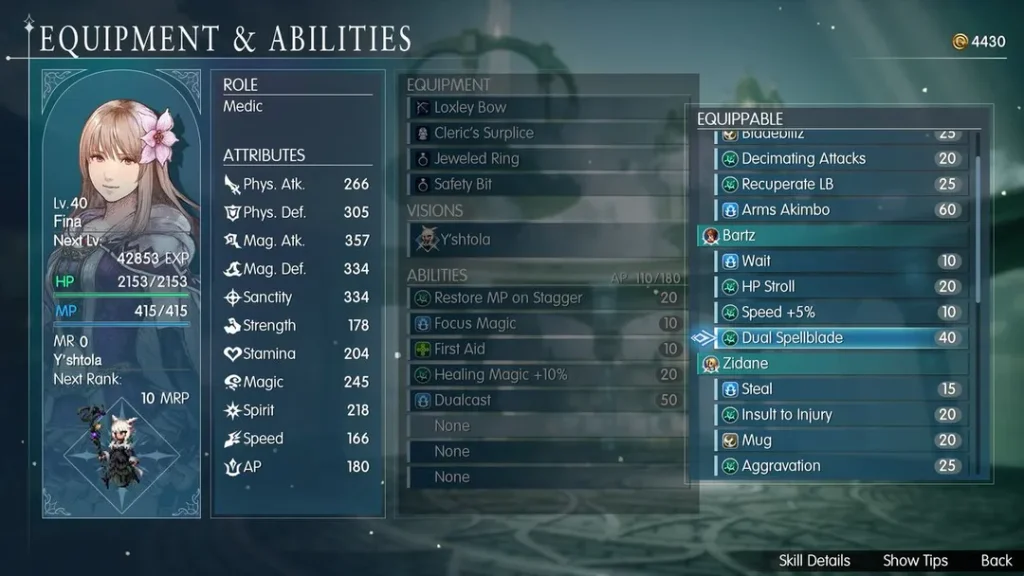
Fina is a Medic. She keeps the group in good shape. She does this by healing when it is needed.
Just like that, there are six roles in total in Final Fantasy Resonance. They are Commando, Medic, Sentinel, Breaker, Synergist, and Saboteur.
| Combat Role | Main Job | What It Does |
| Commando | Deal damage | Main job is to attack enemies and deal strong damage. |
| Medic | Heal allies | Helps bring HP back up. Supports the team so they can last in battles. |
| Sentinel | Protect allies | Takes the lead in defense and helps guard allies from enemy moves. Helps handle enmity too. |
| Breaker | Stagger enemies | Goes after enemy weak spots and helps fill up and drain the stagger gauge. |
| Synergist | Buff allies | Adds boosts for the party and makes allies stronger in battle. |
| Saboteur | Debuff enemies | Causes trouble for enemies and applies effects that weaken or disrupt them. |
1. Commando: The Damage Dealer
The Commando is the damage dealer and focuses on hurting enemies. This role is meant to hit enemies and drop their HP. So if you need to remove a target quickly, the Commando fits well. Their key task is damage and they are good at landing attacks.
One thing to keep in mind is that they are not healers. They also do not spend much time guarding. They work best when your team needs strong damage at that moment. Use them for damage, and not for support.
2. Medic: The Healer
Next is the Medic. The role of the Medic is to heal teammates and keep the group from falling apart. Medics will heal your teammates who will lose their health. They also use different healing moves to bring their health back.
If you’re facing long battles, a Medic who stays steady can be very helpful. They restore HP and help injured allies keep going. This will help your party members keep fighting with good health.
Fina can fill the Medic role.
3. Sentinel: The Protector
The Sentinel class is built for guarding and defending. Some of its abilities block attacks or lessen blows so your teammates don’t have to take much damage. Other tools help limit who the enemy can aim for.
Because of that, your teammates do not have to eat every blow. They can stay alive while the round keeps moving. A Sentinel is a good pick when the group wants one person to take the pressure. It also gives the others a short window to set up and carry out their tasks.
Rain plays as a Sentinel. In tough moments, he keeps the squad steady. He is not just there to deal damage and he holds the line when the fight gets heated.
4. Breaker: The Stagger Specialist
The Breaker role has one main job: to bring down the enemy’s stagger meter. In a lot of battles, enemies can be shoved into a staggered state. Once the meter runs out, the whole fight changes fast. Then the team can hit harder and things feel more manageable.
A Breaker fits best when the party wants to strike a weak spot right away. The Breaker helps the stagger meter drop sooner and that means the opening arrives earlier. So instead of only talking about damage, this role turns attention to timing and pressure.
5. Synergist: The Buffer
The Synergist supports the team with buffs. These buffs give allies a small edge during a fight. With that extra push, the group can get past tough moments faster and that is why fans call it a support role.
You might not see big damage tied to the Synergist. Still, the skills can change how well the whole party performs. This role fits players who like to prepare the team before a major clash. It also fits players who want to help while the fight is still underway.
6. Saboteur: The Debuffer
The Saboteur targets foes and applies debuffs. It also brings in other tricks to distract them. The goal is to hinder opponents and make their plans go sideways. That kind of stress can swing a hard battle.
Enemies might behave poorly due to this or their attacks may fail to land. In that way, the Saboteur helps the party in a different manner. The team does not get stronger head on. Instead, the enemy loses effectiveness.

Why Roles are Important
You can think of the six Final Fantasy Resonance combat roles as different styles for fights. Some groups that focus only on damage might struggle to stay alive. Other groups with solid defense and support can win but the fights may last longer.
Knowing what each role does makes party building easier. It also helps when you pick your Visions. A well rounded party can mix jobs.
Put a Sentinel in front to guard the others. Add a Medic to bring people back with healing. Use a Breaker to lower the stagger gauge. Then include a Commando to push out damage. After that, Synergists and Saboteurs can add extra help by boosting teammates or hurting foes.
What you choose can shift by enemy type, the fight setup and what skills your characters and Visions bring.

Final Thoughts
Final Fantasy Resonance combat roles matter a lot in your gameplay. They help each character and Vision stand out and every role has a specific job during a fight. Once you know the roles, it can become a lot easier to understand what your party is doing.
You can also choose the right characters or Visions for each fight. You are not stuck only chasing big damage and you can blend attacks with defense, healing, and support moves. That way, your group fits what the next battle asks for.
Final Fantasy Resonance launches on 22 October 2026 for Xbox Series X/S, PlayStation 5, Nintendo Switch, Nintendo Switch 2 and PC. Keep an eye out. A lot is on the way.
For more gaming news, guides, tips, codes, and more, check out Driffle Blog.


