

Last updated: 1 October 2026
The Witcher 3 is still so enjoyable after decades that every gamer wants a game like it. Now that a new action RPG with vampires and supernatural creatures, The Blood of Dawnwalker, is dropping soon, gamers are comparing them for a few reasons and wondering if both these games have any similarities. They are wondering ‘is The Blood of Dawnwalker like The Witcher 3?’ Well, these games do have some similarities and differences. Let’s find out if The Blood of Dawnwalker is like The Witcher 3.

The Blood of Dawnwalker VS The Witcher 3
Gamers are comparing the two RPGs for various reasons. Here are the biggest points of comparison:
- Shared DNA: The Blood of Dawnwalker is worked on by Rebel Wolves, a studio setup by ex-developers from CD Projekt Red, including some people who actually worked on The Witcher 3: Wild Hunt. You can feel that influence in the whole design, even if you ignore it on purpose at first.
- Dark fantasy setting: Like The Witcher 3, it goes for a mature, morally knotty medieval fantasy world, packed with creatures, court politics, and those supernatural threats too. It’s not exactly a cheerful place, more like grim weather, but with plots.
- Story-driven RPG: This RPG leans hard into narrative structure, player choice, conversations, and consequences that genuinely stick around, not just a straight up action loop.
- Combat: You’re looking at third-person melee fighting with supernatural abilities, but the way it seems to be assembled is more vampire powers oriented than anything resembling Geralt’s sword-and-sign flow.
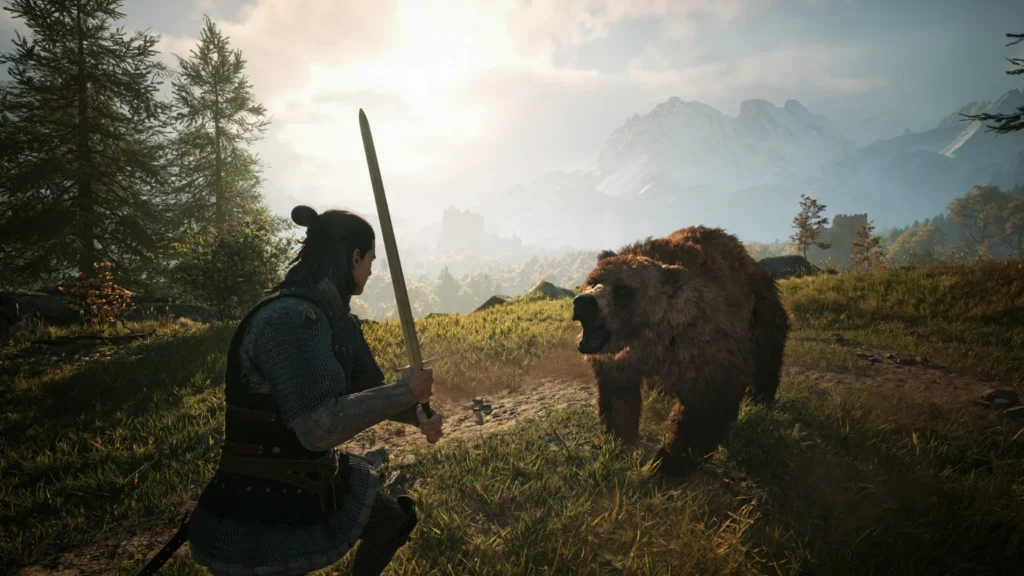
Similarities
| Feature | How They’re Similar |
| World & Atmosphere | Both of the games have grounded medieval hamlets, weathered architecture, plausible NPC clothing, muted color schemes and a rough dark fantasy vibe that is drawn from European folklore. |
| Audio & Presentation | The ambient music, plus environmental sound design, and the cinematic way it’s presented, really gives you a mood that strongly reminds you of The Witcher 3. |
| Investigation Gameplay | Players also employ supernatural senses to poke at crime scenes, follow threads of clues, and reveal tucked away details in a way that feels pretty similar to Geralt’s Witcher Senses. |
| Supernatural Tools | Instead of Witcher Signs, Coen leans on vampire abilities, like sharpened senses and necromancy, so both games keep this ‘magic-boosted’ approach for roaming around and for fighting. |
| Combat Preparation | Doing well versus tougher opponents hinges on collecting information, pre-warming abilities or consumables and then exploiting enemy weak spots. |
| Choice-Driven Quests | The main quests and side quests both lean on branching conversations, tough moral calls and repercussions that can bend friendships and shift the story outcomes in different directions. |
| Morally Grey Decisions | Rarely do you get a clean right answer because each game kind of throws mixed signals at you, with conflicting motivations, plus outcomes that are never really perfect or finished. |
| Storytelling | There’s a strong push toward cinematic storytelling and unforgettable figures, along with narrative-heavy side quests, not just the same repetitive objectives again and again. |
| Exploration | The open worlds feel made by hand, and they basically pay you back if you stay curious, hidden spots, quiet lore, optional encounters, and environmental storytelling that you notice only after you wander off a bit. |
| Living World | The NPCs seem like they actually belong there: believable routines, small personal histories, and quests that help the whole place feel alive, instead of scripted. |
| Monsters with Depth | Supernatural creatures also show up with folklore baggage and layered backstories, so the run-in is more than a simple boss encounter. |
| RPG Design Philosophy | Both games prioritize immersive role playing through exploration, dialogue, character development and player agency rather than funneling you through only action most of the time. |
| Development Heritage | The Blood of Dawnwalker is developed by Rebel Wolves, a studio created by ex- The Witcher 3 developers. So you end up seeing a bunch of familiar design philosophies, but also with their own way of presenting it. |
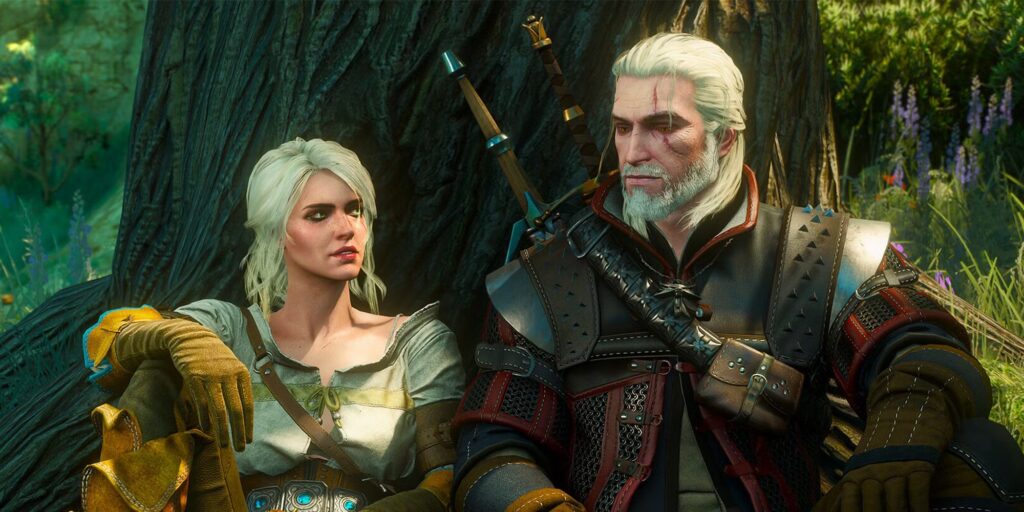
Differences
| Feature | The Blood of Dawnwalker | The Witcher 3 |
| Playable Character | You play as Coen, and his vampire essence is basically the center of gameplay, exploration, and story choices. | You play as Geralt, a professional monster hunter, and his abilities stay stable across the whole game. |
| Day & Night Gameplay | Coen is a kind of human-vampire hybrid. During the day, he fights with swords and hex magic, at night he gets vampiric claws, stealth, wall-running and a supernatural mobility thing. | Geralt’s abilities pretty much stay the same no matter the time of day, with only a few monsters, and certain activities switching up how they work. |
| Time Limit | The whole story runs on a 30-day countdown. Each quest or activity eats up time, so players end up prioritizing what actually matters. | There’s no meaningful time pressure. You can spend hundreds of hours poking around, exploring and doing side quests, and the main story won’t be affected. |
| Quest Structure | It’s built as a narrative sandbox with one main goal, and several interconnected story routes you can do in different orders, kind of like choosing your own direction but still guided. | This has a more familiar setup, with main quests, side quests, contracts, and optional activities sitting side by side. |
| Combat Style | There is directional melee combat, precise attack angles, good positioning, and tight timing. | There is faster action-RPG combat, focused on dodging, Signs, swordplay, and alchemy, rather than leaning hard on directional swings. |
| Traversal | Nighttime unlocks special movement options like climbing, rooftop traversal, and supernatural mobility, which then opens up fresh exploration routes. | Exploration itself relies on Geralt’s usual movement methods, swimming, climbing, and horseback travel, without big time dependent travel changes. |
| Role-Playing | Players have to balance Coen’s humanity and vampiric instincts, and the choices you make get influenced by that dual nature. | Geralt’s morality steers the story, but he doesn’t really undergo some fundamental transformation that would change gameplay. |
| Resource Management | Time is like a strategic resource and it makes every choice about quests, wandering, and prep feel meaningful even when it’s just small stuff. | Resource management mainly lands on gear, potions, crafting stock and money not really on time. |
| World Design | The world is built to be dense and hand-crafted and open-ended, so your player can explore and discover new places and quests. | It’s a massive open world spread over multiple big regions, with more attention on exploration. |
| Replayability | You get different quest priorities, little missed chances, and story paths that branch, so you can run it again more than once in replayability. | Replayability mainly comes from different dialogue choices, romances, endings, and build experimentation rather than a changing timeline. |
| Design Philosophy | Focuses on player-driven storytelling through time management, non-linear progression, and dual-identity gameplay. | This one focuses on delivering an expansive open world RPG with a more traditional quest progression and exploration centric design. |

Final Words
So, ‘is The Blood of Dawnwalker like The Witcher 3?’ Both the games are set in a different universe with completely different characters, but yes, do have their similarities and differences. And if you have played The Witcher 3, you will find out the rest yourself when you play The Blood of Dawnwalker. So, go ahead and get the vampire RPG for cheap on Driffle! The story, gameplay, and characters are so good they cannot be missed.
For more gaming news, guides, tips, codes, and more, check out Driffle Blog.


