

The Prince of Persia series was a game truly ahead of its time in every aspect. Right from the very first game, which was introduced back in 1989. Since then, despite some rocky roads and hiccups, the game has built an unforgettable legacy that remains etched in the hearts of its fans and gamers. It had established itself as one of the pioneers of modern-world gaming and laid the foundation for many AAA games to follow. Moreover, it also inspired the much-loved Assassin’s Creed games.

But the important question that lingers in the minds of gamers to this date is what went wrong with Prince of Persia? Despite all the success and love it received from gamers and critics, why did Ubisoft stop the development of the Prince of Persia games? Let’s dive into the history of it and delve into what went wrong.
Early Success and Downfall
Imagine a game in the late 80s that broke all the rules and norms of what games used to be. The very first Prince of Persia game became a major hit, but what followed were terrible sequels. Let’s find out how Prince of Persia nearly became a 1 hit wonder in the gaming industry.
Prince of Persia (1989)
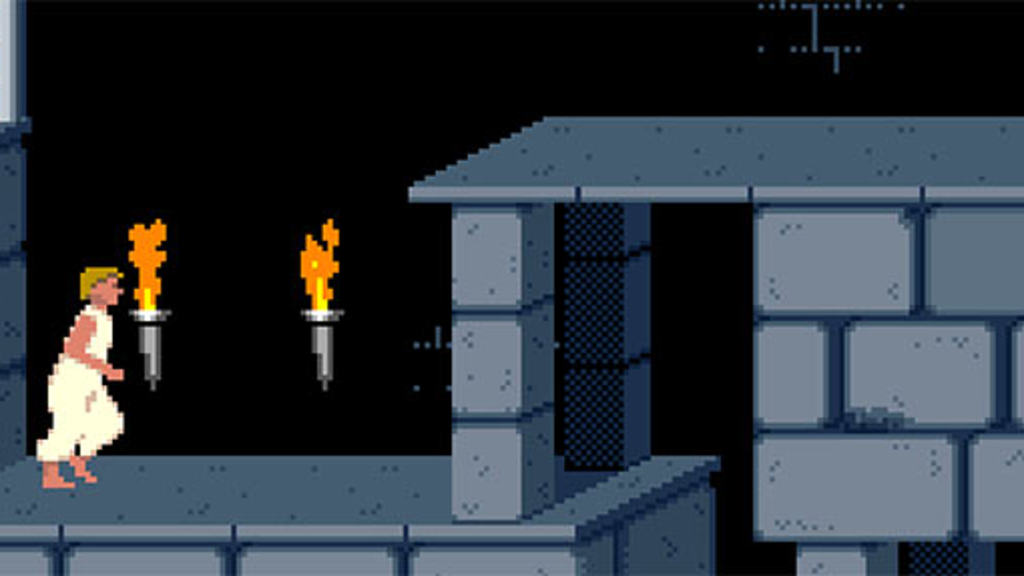
Before shaping up to be one of the most celebrated franchises, Prince of Persia was merely an idea, which was taught by a filmmaking student named Jordan Mechner. The young 20-year-old, though, had his eyes set on a different career and wanted to introduce cinematic flair in video games. On paper, the game was about a prince saving a princess from an evil king through many obstacles and hurdles. Sounds familiar, right? But the game was a journey against time. So the players had limited time to rescue the princess. However, what made this game truly stand out was the real depth of the animations. This was achieved through the rotoscoping technique that added to the flair. This feature alone made the game an instant favorite among gamers, giving them something new and fresh.
Prince of Persia: The Shadow and the Flame (1993)

Following the massive success, the first game was available on all the major platforms of that time, like MS-DOS and Super NES. This paved the way for a much-awaited sequel. Following the events of the previous game, the prince returned to the kingdom to overthrow the evil king, who had taken his appearance to falsely frame the prince. Sadly, the game fell short in this regard. While it did showcase refined animations and improved graphics, the players were left with way more complex puzzles this time and a mediocre combat system, which disappointed many fans.
Prince of Persia 3D (1999)
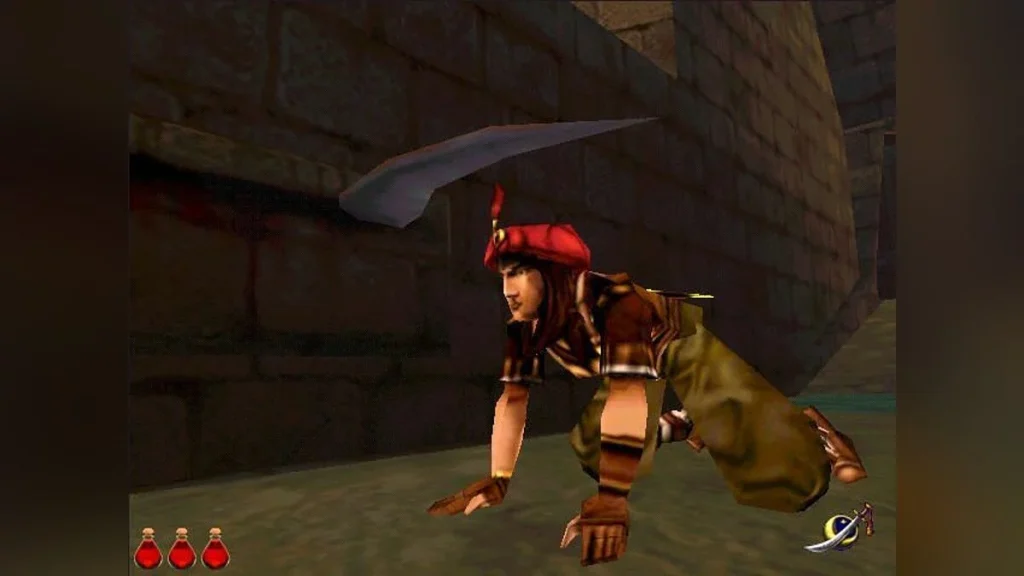
The gaming industry during this phase was experiencing a shift from 2D to 3D gaming. This included various genres from sports, RPG, action, etc. This was a time when Windows gaming integrated graphical capabilities, which went on to elevate the gaming experience. With all the new technology, most of the games transitioned towards the 3D direction, including the latest release from the Prince of Persia.
However, this time the ship sailed without its captain. With Jordan Mechner having no involvement, the game resulted in being a clumsy, buggy, and broken game. The controls felt floaty and unresponsive, the camera was unreliable, and confusing level designs. The game quickly became one of the forgotten disasters of that era, which nearly ended the franchise.
Historical Comeback of Prince of Persia

Despite having 2 successful games under its belt, Prince of Persia almost became a forgotten memory. With barely any news of the game, Jordan Mechner became more inclined to his movie-making career. But that’s when Ubisoft, an up-and-coming gaming developer, showed interest in the franchise. Recognizing the potential, they acquired the gaming rights from Gore Technology Group in 2001. More notably, as the developers began working on new ideas, they even got back Jordan Mechner, who, with all the redevelopment, seemed more interested and was actively involved in the design of the games.
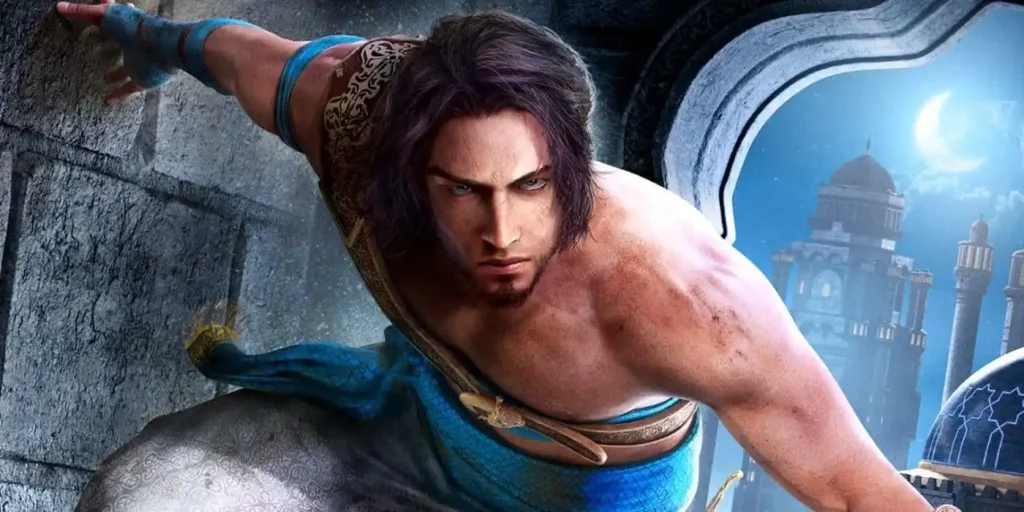
Prince of Persia The Sands of Time (2003)
This time, there was a new storyline and new challenges, but it had the flair and authenticity of the same prince and Arabian setting, only in a new light. Players were introduced to parkour, Sands of Time, and Dagger of Time elements. It was not only something fresh but also changed the way gamers would look at games. Now, instead of having to redo a challenge/mission from scratch, players could go back in time and retrace their steps. This allowed them to control time, which would affect the gameplay experience. This led to the game-winning of many game-of-the-year accolades and a much-needed rebirth it needed. Below are some achievements of this game. Even today, after 21 years, Prince of Persia the Sands of Time holds a special place in gamers’ hearts.
- Game Critics Award in 2003
- Game Developers Choice Award in 2004
- Academy of Interactive Arts and Sciences – 9 Awards
Prince of Persia Warrior Within (2004)
Shortly after following the success of its predecessor, Ubisoft released Prince of Persia Warrior Within, which would carry forward the gaming legacy. This time, the game had a much darker tone, and the kingdom was replaced with a remote island. The game was different in style, but with its enhanced parkour mechanism and immersive world, it paved the way for many open-world games in the future.

- BAFTA Game of the Year for GameCube
- Sold 1.9 million copies within the first month
Prince of Persia The Two Thrones (2005)
In the final game of this trilogy, the events would shortly take place after the events of Warrior Within. But here, sticking to the darker tone, the game takes 1 step ahead as it places the prince in a conflict with his other personality that is gruesome and unforgivable. This game opened to mixed reviews. While the loyal fanbase didn’t appreciate the darker tone of the prince, other sections of the gamers were immediately hooked to the new environment and personality of the prince. This led to great sales of the final game in the trilogy.

- Sold 1.5 million copies in its debut month
- Recipient of the Gold Sales Award from the Entertainment and Leisure Software Publishers Association UK
The Aftermath of a Classic Trilogy
Sometimes you deliver so good that it becomes hard to replicate the same success. Sure, the trilogy from Ubisoft was far from perfect, but its intuitive gameplay and engaging storyline made waves in the gaming industry, which was hard to beat at the time. But Ubisoft didn’t want to build its foundation on one game solely. They had other ideas moving forward. After the legacy, they shifted their focus towards a new open-world game. While the developer did release a couple of stand-alone games of the franchise, they could not match the success of its earlier games.

- Prince of Persia: The Forgotten Sands: The game opened to a lukewarm reception, and the missions and challenges felt repetitive. There was nothing new in this aside from some aesthetics which the players had not seen before. Releasing in 2010, the game looked outdated in comparison to its contemporaries at the time.
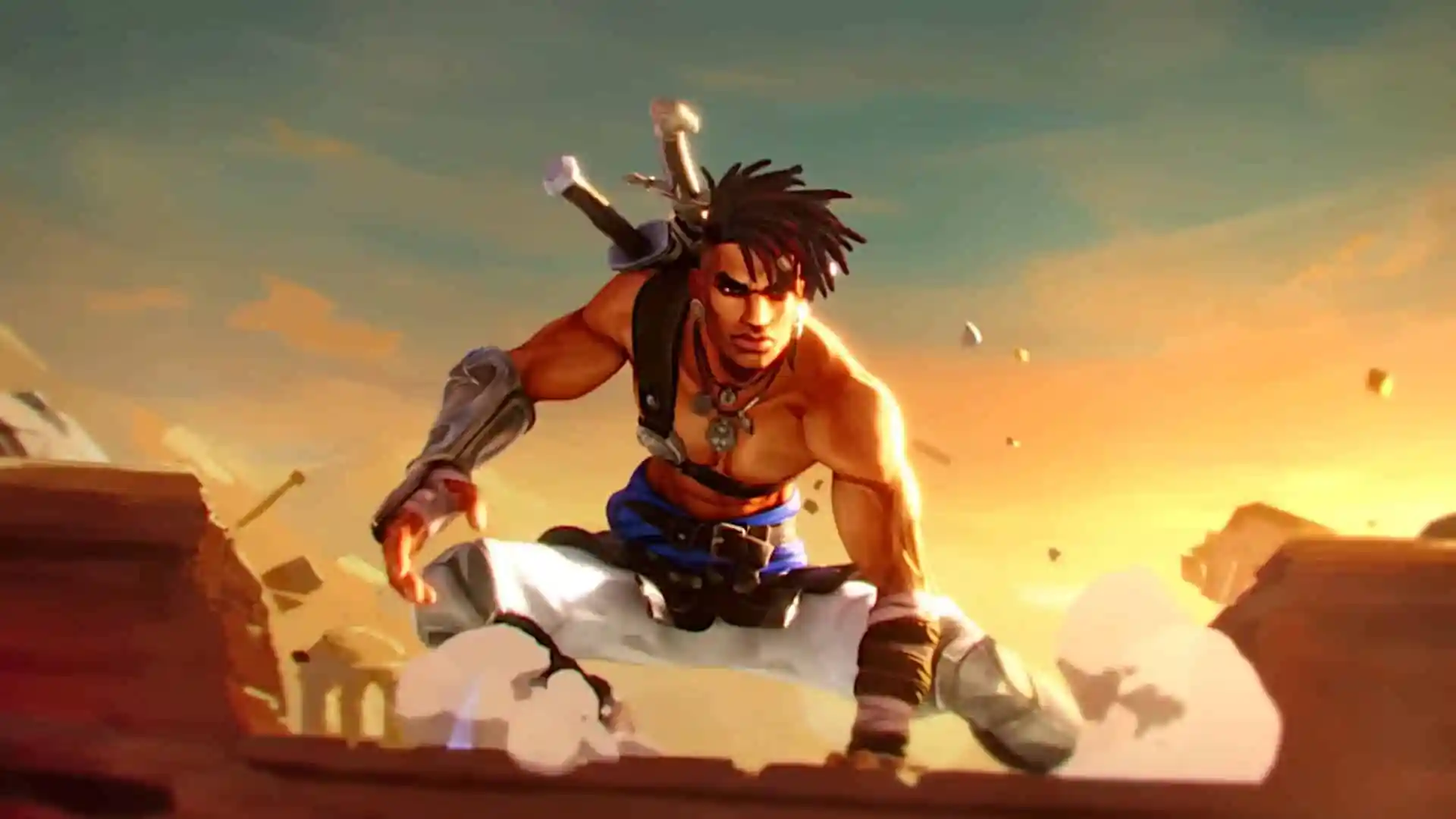
- Prince of Persia: The Last Crown: This game made a strong comeback. Though it didn’t cause waves like Sands of Time did, The Last Crown did feel like a strong comeback with modern-day mechanics and engaging combat play. But today, this franchise has lots of catching up to do, if it wishes to claim back the throne it once held.
Rise and Success of Assassin’s Creed
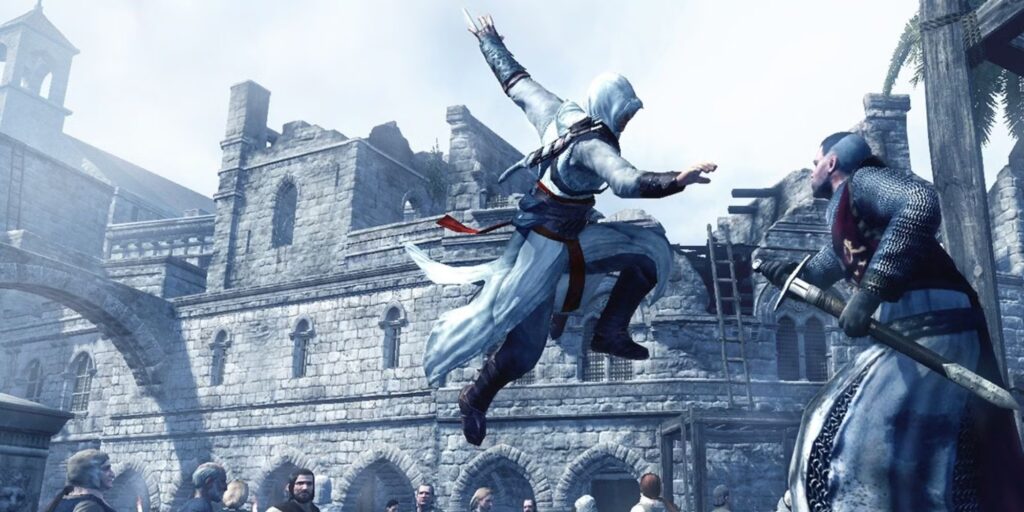
Ubisoft began working on a new game that would take the open world gaming sector to a new level. They began developing a game that would blend historical setting, stealth gameplay, and feature a compelling narrative. This gave birth to Assassin’s Creed, which drew inspiration from Prince of Persia games, but with its innovative gameplay mechanics, compelling character arcs, and intricate storylines, steered the developers in a new direction in gaming. It featured
- Engaging Storyline
- Historical Accuracy
- Open World Exploration
- Diverse Gameplay Mechanics
- Strong Character Development
- Cross-Media Expansion
- Regular Release and Update
Summary
Prince of Persia was a revolution in the gaming industry that forever shaped the way we play games today. While Ubisoft did bring it back to life and delivered hits, the company gradually shifted its focus following the underwhelming sales of the games. So the game didn’t stop because of its failure, but simply because it was left behind in pursuit of other franchises. However, to this day, the game continues to have its own legacy in the world of gaming.
So, what do you think of the Prince of Persia legacy? Will it ever reach the same heights as before, or will it be just a forgotten memory for gamers? Please let us know in the comments below. For all the latest gaming updates and news, be sure to check out Driffle Blogs.


The franchise’s history is so intriguing – the first game really set the stage for action-adventure games, but after that, it just didn’t seem to keep up with the expectations. It’s amazing how the DNA of PoP is still so clear in newer games like Assassin’s Creed.