

IO Interactive, in the last few years, has grown out of the shadow of Square Enix. It went on to become one of the most profitable and successful studios in the gaming industry. Acquiring new studios, developing successful games, securing the James Bond License, and moving into self-publishing for in-house plus third-party games. Recently on The Game Business Show Podcast, IO Interactive CEO Hakan Abrak. Shared his insights into the game development of their games and how IO Interactive saved millions by making the Hitman trilogy. Let’s take a look at the game development process and the Hitman Success from the CEO, Hakan Abrak, himself.
The Success of Hitman Games
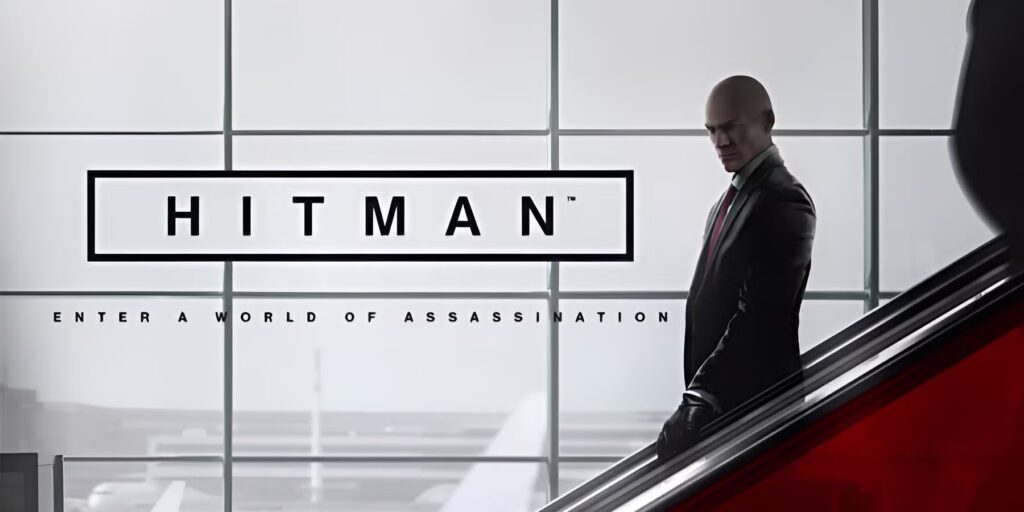
Kicking off the revival of Hitman, IO Interactive released the reboot of Hitman after the last game, Hitman: Absolution, in 2012. Starting a new era for the franchise with the release of Hitman 2016. With the wholly revamped styles of assassination, upgrades to its graphics, and the curating of some of the most beloved mission maps. The initial budget $100 million for Hitman 2016 was funded mainly by Square Enix.
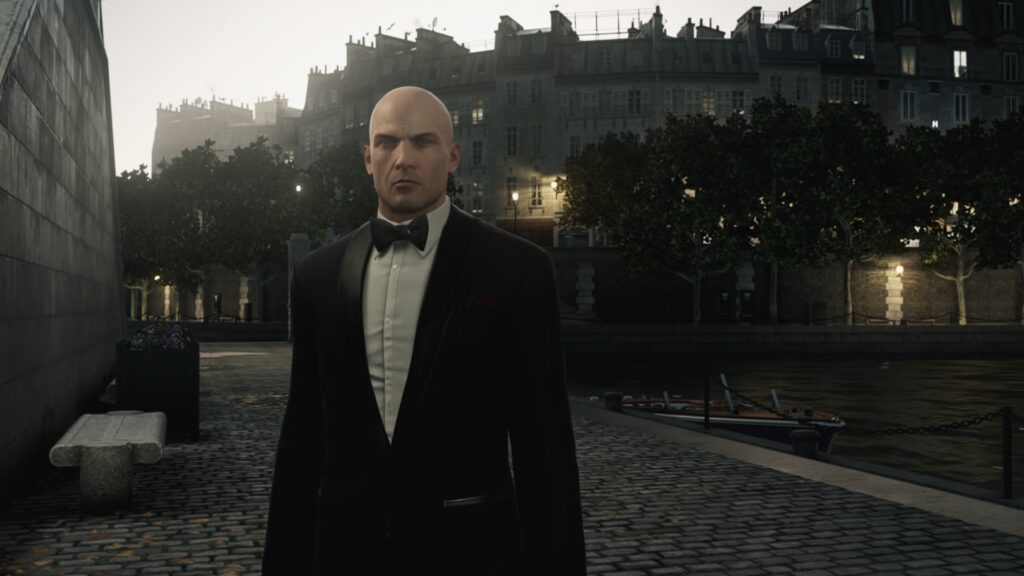
While the first title underperformed in its initial release year, prompting Square Enix to drop any future funding for the studio. Hitman 2016 met with success post-launch, with up to 13 million players by 2018. The game was highly acclaimed for its revival of classic Hitman mechanics, innovative sandbox environment, and episodic format.
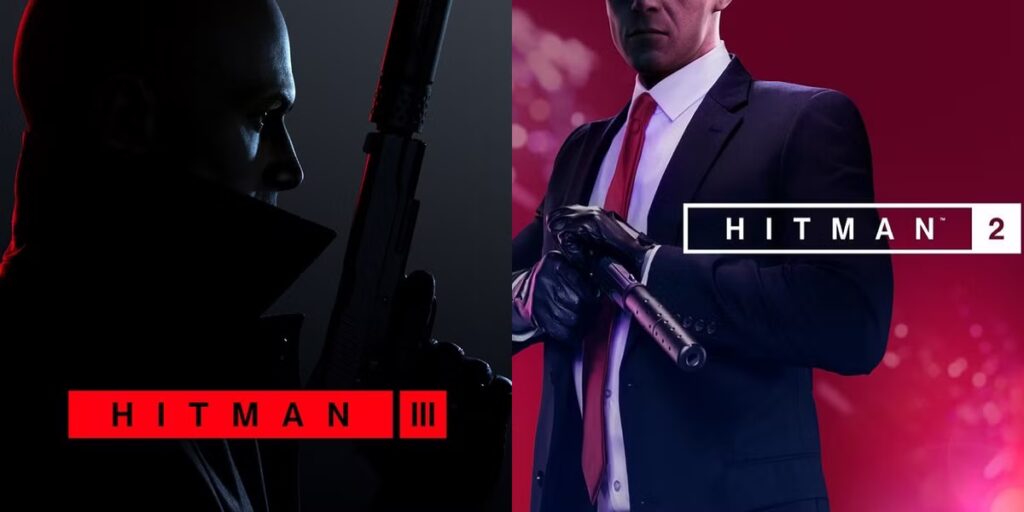
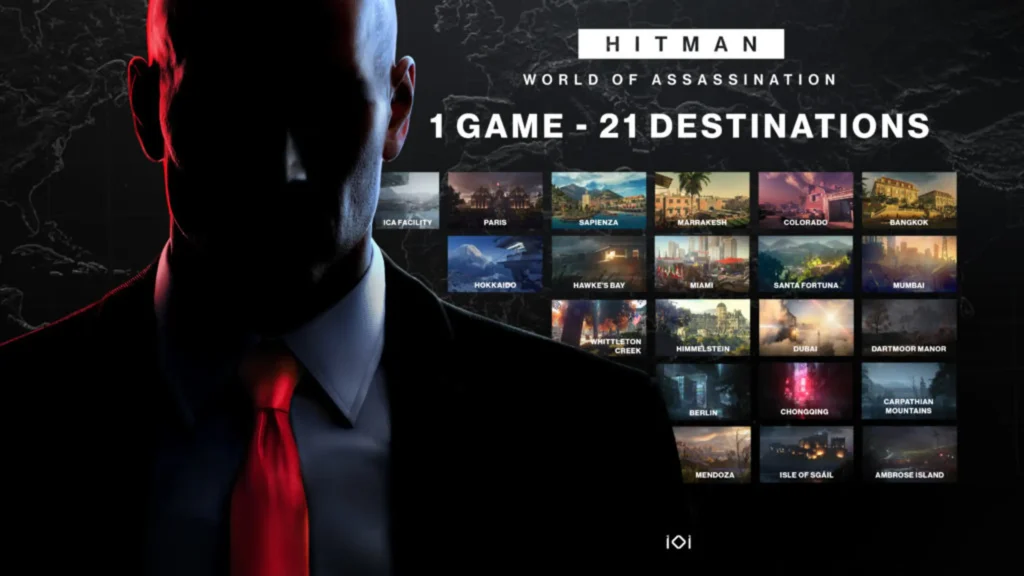
The sequels the followed by Hitman 2 and Hitman 3, which is now the World of Assassination Trilogy. Became huge hits with fans of the series and gamers who loved stealth action games without hardcore mechanics. The trilogy to date has amassed over 75 million players worldwide on PlayStation, Xbox, and PC.
Hitman World of Assassination Trilogy
How IO Interactive Saved Millions Making the Hitman Trilogy
During his discussion on the podcast, Abrak mentioned that Hitman 2 cost around $60 million, while Hitman 3 was developed under $20 million. How this was possible was summed up by him quoting,
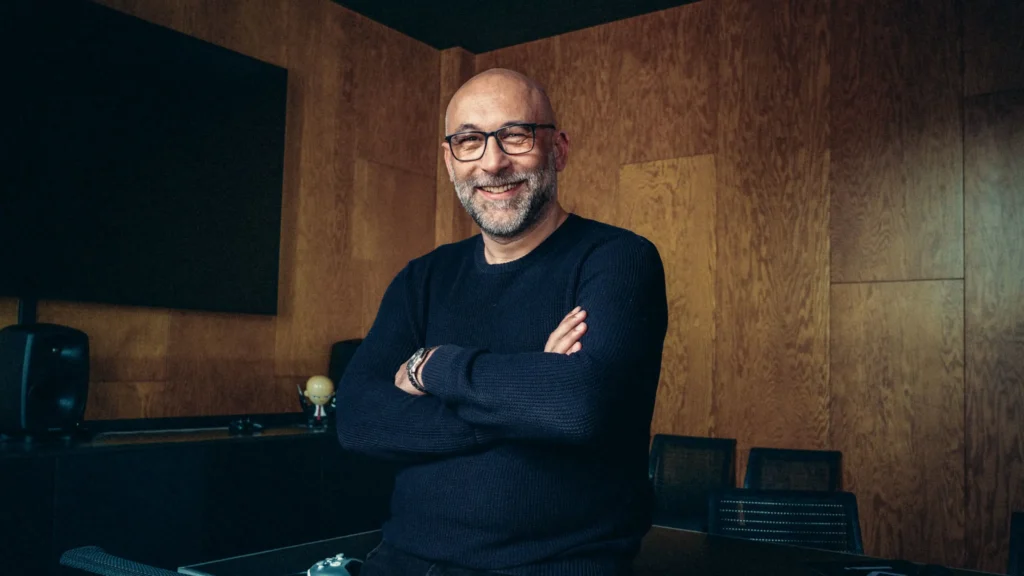
“If you just look at Hitman, the way we build, especially after Absolution, I was the Executive Producer on Absolution, and I swore never to do more new toilets.”
When Abrak mentioned “toilets,” he was actually talking about asset use in games. Every game has its own environment, if you’ve played even one. You’d notice how something as simple as a chair looks completely different from game to game. That’s because these are unique assets. Video Games use thousands of these assets, including chairs, toilets, vehicles, plants, etc. Developing them costs a lot of money.

Abrak mentioned how efficiently the IO Interactive developers were able to use that to their advantage. And use old assets from Hitman 2016 and onwards to create in-game environments. Instead of constantly creating new assets, they reused many from Hitman (2016) and onward to build rich in-game environments. This efficient approach meant they didn’t need to reinvent the wheel. Leading to the seamless combination of all three games into what we now know as The Hitman World of Assassination Trilogy.

The latest in the Hitman Series, Hitman 3, earned around $78 million in revenue, with $40 million in profits alone. Hitman 3 was developed at the cost of $20 million by cleverly reusing old assets from the previous two games.
Platforms & Summary

Currently, the Hitman Trilogy is available on all platforms, including the PlayStation 4, PlayStation 5, Xbox One, Xbox Series X|S, and PC. Hitman World of Assassination is also available on the Nintendo Switch and Switch 2. Hakan Abrak’s insights are pure gold for anyone interested in game development. By cleverly reusing assets, IO Interactive saved millions, and the success of the Hitman games is all the proof you need.
Leave your thoughts below and for the latest gaming news, game guides and reviews be sure to check out Driffle Blogs.


